Ever wondered what makes some businesses excel in terms of growth, even while spending little to no money on adverts? Well, the answer to that lies in niche marketing. Instead of basically selling to everyone like conventional businesses do, it is focused on selling to a specific group of people who need it.
In this blog, we’ll break down what niche marketing really means, why it works, and how you can start applying it to build a stronger, more loyal customer base.
So, let’s begin with the basics: what exactly is niche marketing?
What is Niche Marketing?
Imagine you have created a product that helps busy moms prepare healthy meals in under 15 minutes. You could try selling it to everyone, but chances are, most people won’t really care or need it. That’s where niche marketing comes in.
Niche marketing would target specific groups of people that really needed or wanted what you had to offer, such as busy moms in the above example. Rather than dealing with everyone, you work within a smaller group of people who share needs, interests, or problems. This makes your message feel personal, your marketing more effective, and your customers feel like you really understand them.
In simple words, niche marketing isn’t about reaching more people; it’s about reaching the right people.
Let’s take a look at the top benefits of using niche marketing.
Check These: 5 Marketing Activities That Will Enhance Business Performance!
Top Benefits of Using Niche Marketing
Focusing on a specific audience comes with a lot of advantages. Niche marketing helps you connect with the right people, stand out from the competition, and grow your business more effectively. Here are the top benefits that make it such a powerful strategy.
✔️ Stand Out from the Competition: By specializing in one group, you make your business stand out. You are no longer just one of many businesses, but you are now a leader in that group.
✔️ Connect with the Right People: Through targeted marketing, you are able to directly contact those individuals or organizations that have a real interest in your product or service. A personal connection can create a level of trust and motivate those customers to interact with you.
✔️ Save Time and Money: By targeting only the interested, you avoid wasting resources on a broad audience, hence making your marketing efficient and cost-effective.
✔️ Build Customer Loyalty: When they feel that they are being understood and valued, they will like to remain with your brand and even recommend you to other customers to build long-term relationships.
✔️ Establish Authority in Your Niche: Focusing on a smaller, well-defined audience helps you become an expert in your field. Over time, this builds credibility and strengthens your brand reputation.
In short, niche marketing helps you grow smarter, reach the right people, and create lasting connections, rather than trying to appeal to everyone and getting lost in the crowd.
Now that you understand why it matters, let’s look at how you can put niche marketing into action.
Read more: How to Build a Content Marketing Funnel that Actually Converts
How to Effectively Implement Niche Marketing?
Applying niche marketing is all about knowing your target audience and then tailoring your marketing approach to meet the specific needs of such people. Here’s how you can implement niche marketing effectively.
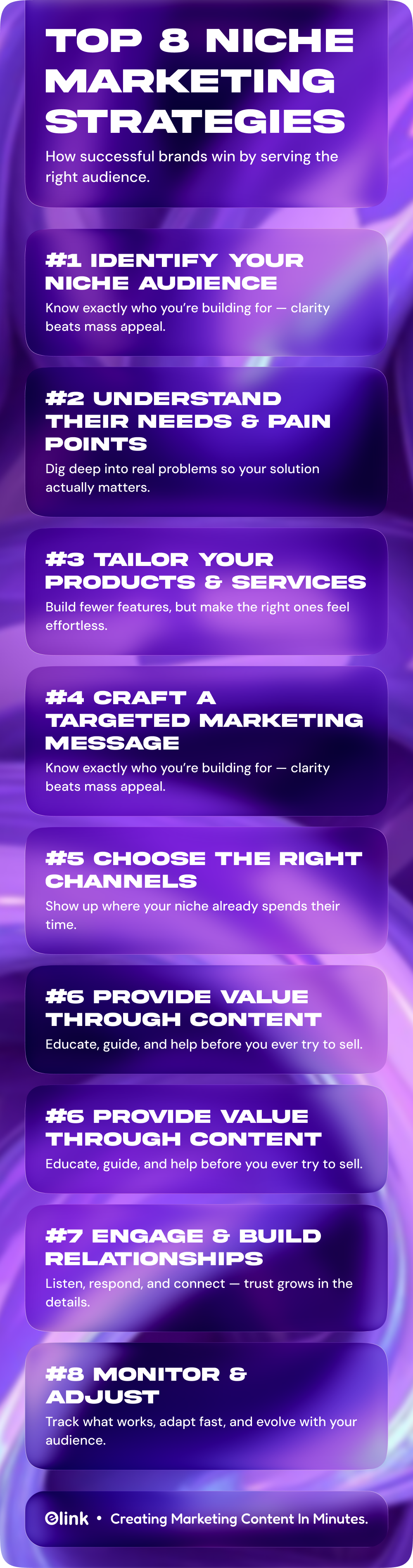
#1. Identify Your Niche Audience
Before you think about features, pricing, or growth for your business, get clear on who you’re really building for. Not everyone needs your product, and that’s a good thing. A strong niche starts with understanding a specific group of people who share similar problems, habits, and goals.
For SaaS brands, this often means going beyond basic demographics. Instead of saying “small businesses,” narrow it down. Are you serving bootstrapped startup founders? Remote HR teams? Marketing managers at mid-sized B2B companies? The clearer the audience, the easier it becomes to speak their language.
For example, consider a SaaS-based software tool for managing projects. You may have one brand that focuses only on businesses with remote development teams, having issues working asynchronously and missing due dates.
Alternatively, you might have another brand that focuses on Creative Agencies that require developing a timetable of events that meets the expectations of their clients and gets approvals. Although both brands sell products in the project-management category of SaaS products, their target markets have very different needs.
Listen to your users. Read support tickets. Pay attention to the questions people ask during demos. Look at who converts and who doesn’t. Patterns will start to show up.
When you truly understand your niche audience, your messaging feels more natural, your product decisions make more sense, and your marketing stops sounding like it’s trying too hard. You’re not guessing anymore, you’re speaking directly to the right people.
#2. Understand Their Needs and Pain Points
Once you know who your target audience is, dig into what they really need. What keeps them up at night? What solutions are they already trying? You can gather this info from surveys, social media comments, forums, and customer feedback.
For instance, if your niche is remote workers, you might discover that most struggle with staying productive without feeling burned out. Knowing these details helps you create products and content that actually solve their problems.

#3. Tailor Your Products and Services
Once you know about your target audience, your product should start making clearer decisions. Not bigger ones, clearer ones. A niche audience doesn’t need more features. They need the right ones.
In order to provide your customers with what they want from your service, you should focus on making the features easy to find and use, adjusting the price structure according to what they pay for and how they use the service, and offering plans that fit their business model.
If most of the people in your target market pay monthly, do not bind them to a long-term contract. They should be able to use your software within a minute, not a day, if they have a small team of employees.
This isn’t about reinventing your product. It’s about making deliberate choices so your product feels easier, more useful, and more natural for the people it’s meant to serve. When that happens, adoption feels less like a push and more like a fit.
Read more: How to Advertise on Social Media: Complete Step-by-Step Guide
#4. Craft a Targeted Marketing Message
When you know exactly who you’re talking to, your message doesn’t need to shout. It just needs to be clear. A targeted message speaks to a real situation your audience recognizes immediately, not a vague promise that could apply to anyone.
For instance, rather than saying your tool “improves productivity,” show how it helps a specific user in a specific moment. For example, a SaaS platform built for U.S.-based remote teams might focus its messaging on fewer status meetings, clearer handoffs, and less back-and-forth across time zones. That feels familiar and believable to the right audience.
The words you choose matter. So does what you leave out. If your product is for finance teams, your message should sound practical and precise. If it’s for founders, it should feel direct and time-aware. Trying to sound clever or appeal to everyone usually weakens the point.
A strong niche message feels personal without being forced. It sounds like it came from someone who understands the work, the pressure, and the day-to-day reality of the audience they’re speaking to. And when people see themselves in your message, they’re far more likely to listen.
Read More: How to Grab Reader’s Engagement Through Targeted Newsletter Articles
#5. Choose the Right Channels
Don’t waste energy posting everywhere. Focus on the platforms your niche actually uses. For example, if your audience is Gen Z gamers, Twitch or Discord might be more effective than Facebook. If your niche is professionals looking for career advice, LinkedIn or email newsletters will work better. Prioritizing the right channels to advertise your brand saves time and increases engagement.
#6. Provide Value Through Content
Give your audience something useful that solves their problems. This could be tips, guides, tutorials, or curated resources. For example, a small business selling eco-friendly products could create a weekly newsletter on simple ways to reduce plastic waste at home.
Pro Tip: Tools like elink.io make it easy to create and share curated content quickly and professionally, helping you stay consistent without getting overwhelmed.
#7. Engage and Build Relationships
Niche marketing isn’t about talking at people. It’s about showing that you’re actually listening. Sharing content is important, but what really sets brands apart is how they respond once the conversation starts.
Respond with a thoughtful answer when someone leaves a comment or asks a question. A real answer, not just a template response, demonstrates that there are real people behind your brand who genuinely care and want to connect with the person leaving the comment.
Even a quick acknowledgment of the person’s comment, an explanation of how to find out more information about the topic they brought up, or a simple “thank you” will help build trust and rapport with your customers.
Over a period of time, these small interactions with your specific people build trust. People start feeling more comfortable with your brand and share feedback, raise concerns, or stick around because they feel seen.
#8. Monitor and Adjust
Keep an eye on what’s working and what isn’t. Use analytics to track engagement, conversions, and audience feedback. If something isn’t resonating, tweak it.
Niche marketing is ongoing; your audience’s needs might evolve, and your approach should too. For example, a food brand targeting keto enthusiasts may notice a spike in interest in plant-based keto options and adjust its product or content strategy accordingly.
Once you’ve monitored your results and know what works, the next step is to share valuable content consistently with your niche audience. That’s where tools like elink.io can make your life much easier.
Check This: Top Tips & Tactics to Create Repeat Customers
How elink.io Can Help You with Niche Marketing
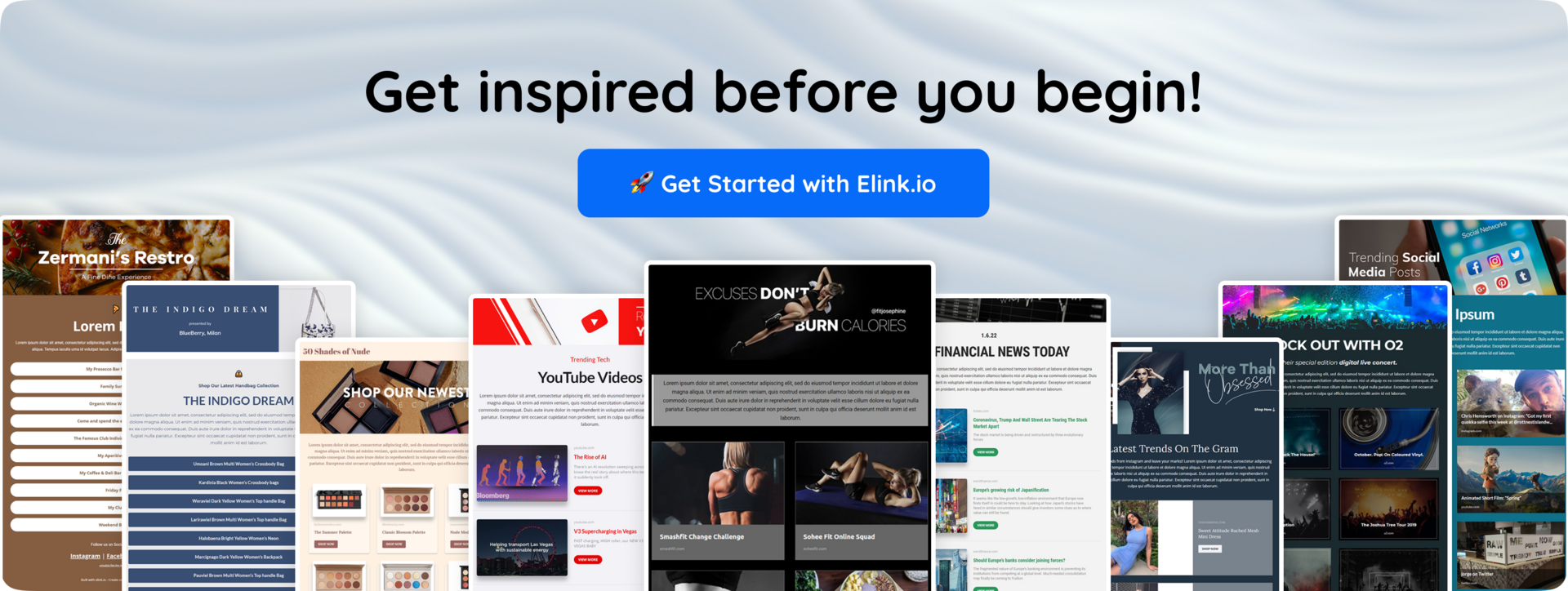
Once you’ve found your niche audience, the next step is sharing content that resonates with them. This is where elink.io comes in. Elink.io is the smartest content curation platform, which makes it super easy to create and share beautiful content, whether it’s newsletters, web pages, or curated links, all tailored to your specific audience.
elink.io is an excellent solution for curating content that’s specific to any niche and stepping up targeted marketing. By using elink.io, businesses and creators can easily gather the best information, resources, and news for a particular audience, all in one place.
Some standout features of elink.io include:
- Easy Content Curation: Collect links, articles, videos, and social posts from anywhere online with browser extensions, RSS feeds, or simple bookmarking.
- Custom Templates and Design: Design mesmerizing newsletters, web pages, and content hubs in mere clicks, without having to worry about coding.
- Content Automation: elink.io can automatically pull new content from saved sources or RSS feeds, so updates and collections always stay fresh.
- Team Collaboration: Multiple team members can curate and manage content together, making it perfect for marketing teams and agencies.
- Flexible Sharing: Publish curated collections as webpages, send as email newsletters through almost any email service, or embed them directly on websites and blogs.
- Smart Bookmarking: The Chrome Extension makes it effortless to bookmark articles, videos, and resources from anywhere online, saving them to your library for future curation and sharing. Organize bookmarks with folders or tags and edit titles or images on the go.
Using elink.io helps you stay connected with your audience, provide value consistently, and keep your brand top-of-mind, all key elements of successful niche marketing.
Wrap Up
Niche marketing is all about focusing on the right people instead of trying to appeal to everyone. When you understand who your ideal customers are and tailor your products, services, and messages to them, you can build stronger connections and stand out from the crowd.
Tools like elink.io make it super easy for you so that you can share amazing content with your audience and keep them engaged. No matter if you’re just starting or running a small business, finding your niche and staying focused can make a huge difference. So, start with small adjustments, keep it simple, and watch all your efforts really pay off.
FAQs
1. What is niche marketing, and why is it important?
Niche marketing is all about when you focus on the needs of a specific group or audience rather than attempting to target all customers. By concentrating on a specialized audience, you will know your competition inside and out and will have a better chance of finding and developing long-term, loyal relationships with your customers.
2. How do I identify my niche audience?
Begin by identifying individuals or businesses that derive value from your offering. Review the issues, needs, and behaviors that are similar among these audiences and use the responses you get from customers, including customer feedback and questions from your support team, as well as reviewing your customers’ usage trends, in order to determine a clear trend.
In most situations, a niche audience will become apparent once you stop trying to reach out to everyone and instead, focus your marketing efforts on those who will benefit most from using your product or service.
3. What is an example of a niche market?
A niche market could be a SaaS tool built specifically for U.S.-based remote teams that need simple, async communication rather than full project management systems. Instead of targeting all businesses, the product focuses on a narrow group with a clear, shared need.
4. What is another name for niche marketing?
Niche marketing is often referred to as targeted marketing or focused marketing
5. What are the benefits of niche marketing for small businesses?
This strategy has demonstrable effects for small businesses, such as enabling you to reach out to the right people, building their loyalty, and helping you save time and money along the way, making you look like the authority in the niche you are targeting.
Keep Reading & Learning 📚
The Most Powerful Marketing Skills to Master Today!
What is a Marketing Checklist & Why Marketers Need It?
Creative Marketing: Explained With Examples!
Emotional Marketing & The Strategies That Makes It Effective!