
Ever feel buried under promotion plans, deadlines, and email newsletter tasks? You’re not alone, not only local businesses but also global companies deal with this daily. That is why you should start using a business calendar to make the process of being an entrepreneur easier.
A smart business calendar ensures you never miss a chance to connect with your customers. From seasonal offers to community events and product launches, having a clear plan mapped out month by month keeps your business organized and ahead of schedule.
In this guide, we’ll show you how to build a business calendar that works for your store. You’ll find easy marketing strategy ideas for every month and examples of local business promotion ideas you can start using today.
Ready to make your marketing smoother and simpler? Let’s dive in!
What is a Business Calendar?
A business calendar is a simple technique that you can use for your business to keep track of important dates and events. It helps in planning meetings, meeting deadlines, dealing with product launches, and many other key activities. This makes it easier for everyone to stay informed about what’s happening each day.
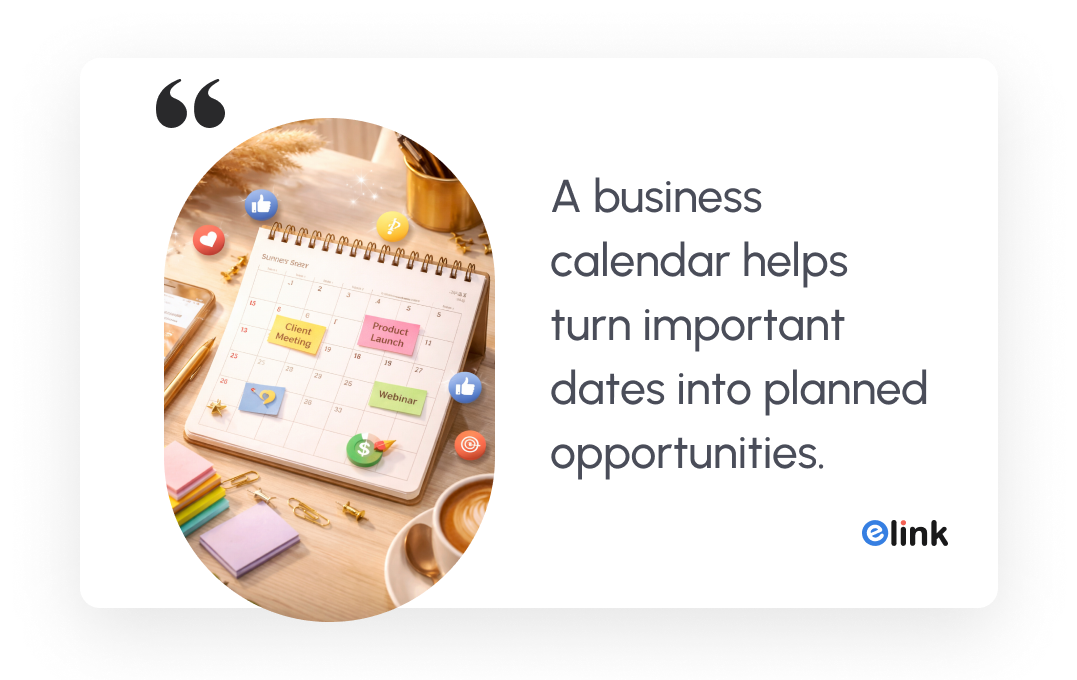
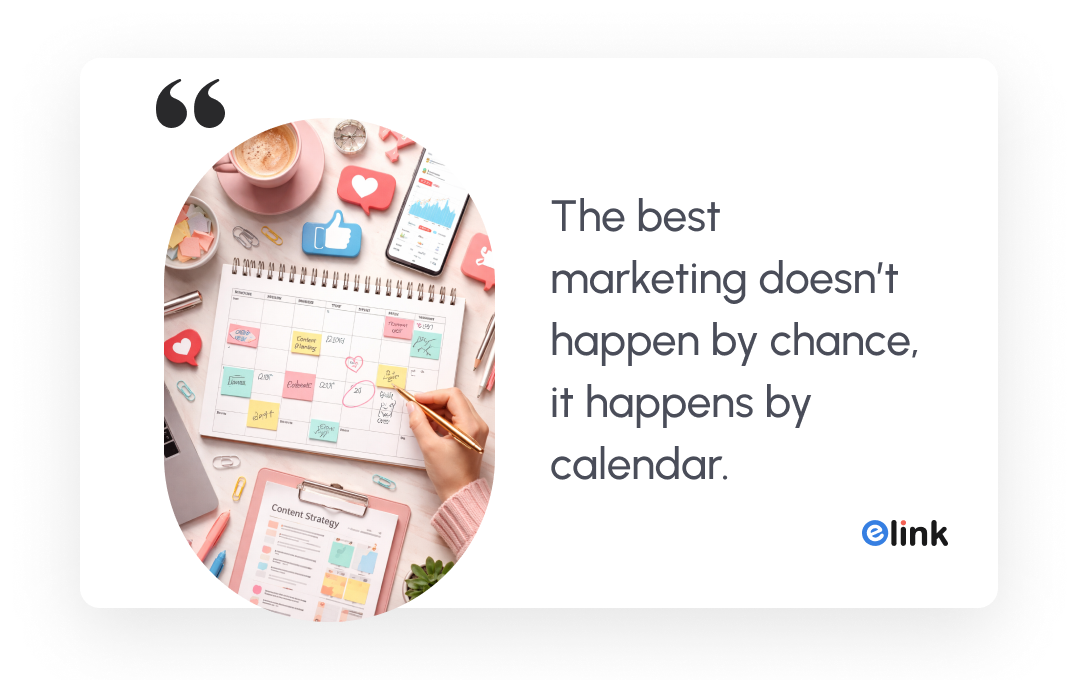
The calendar makes sure that nothing is missed in the chaos of a busy business. It’s one of those simple tools that can make running a business a whole lot smoother. Unlike a basic date planner, a business calendar helps to plan your promotions with seasonal trends, holidays, local events, and industry-specific dates. This type of planning helps improve your marketing strategy and share the right offers at the right time.
Now, let’s explore the major advantages of using a business calendar for your email campaigns.
Read More: Email Marketing Calendar: How to Build One That Actually Works
📆 Benefits of a Business Calendar
Running a business means wearing multiple hats-marketing, sales, customer support, and more. A business calendar keeps everything in one place. Let us take a look at how it can benefit your business.
1. Stay Consistent and Organized
A business calendar helps you plan your marketing strategy ahead of time. You won’t have to rush or guess what to send at the last minute. It keeps them all organized and reminds you to stay in contact with your customers. When people hear from you frequently, they don’t forget you and believe in your business.
2. Never Miss Important Dates
With every holiday and seasonal event that occurs throughout the year, it’s easy to forget key dates. A business calendar helps you plan for these moments, making sure you’re prepared with timely offers and promotions. It lets you share deals when your customers are active and interested, helping you get \more sales.
3. Align Your Marketing Strategy
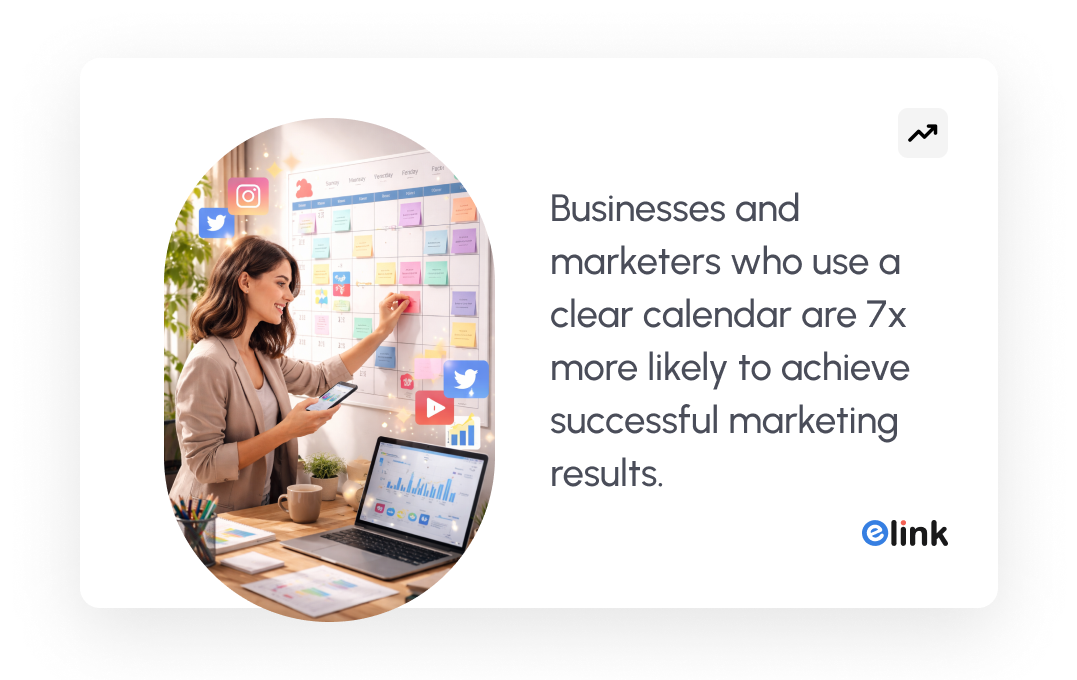
A clear, month-by-month view of your objectives and marketing ideas helps you see the bigger picture. It makes sure your messages, sales, and events go well together instead of feeling random or rushed. When everything is planned in order, your marketing looks professional and gets better results.
4. Better Resource Management
When you plan your marketing strategy early, it’s easier to manage your time, employees, and finances. You will have enough time to develop, write emails, and get everything ready with your team. This helps keep work smooth and stress-free.
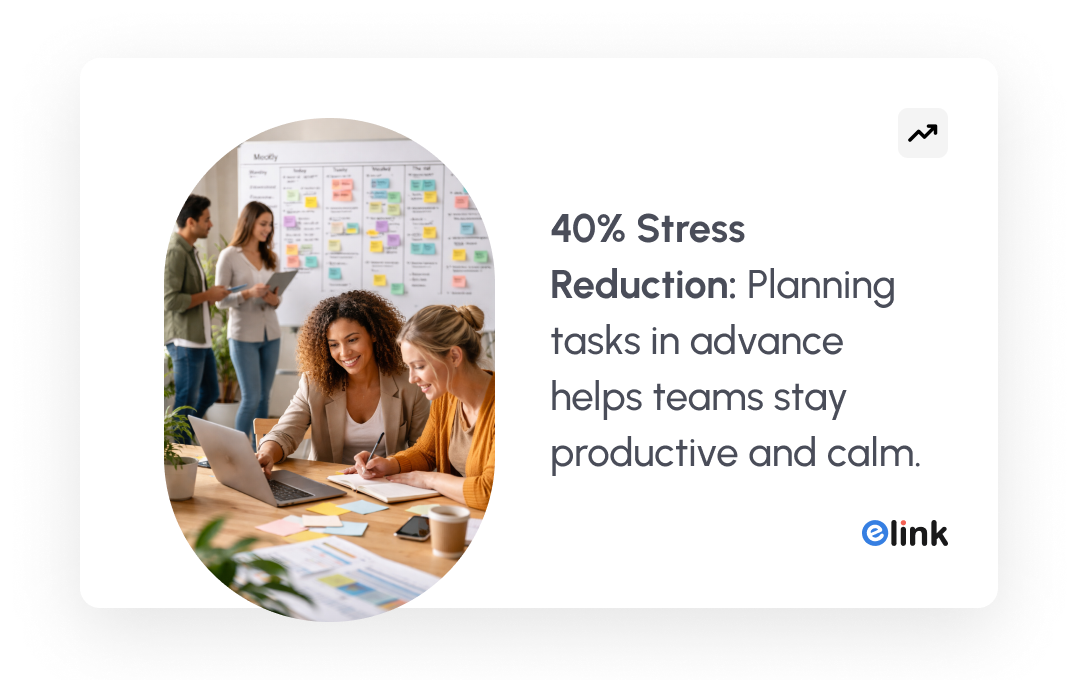
5. Reduce Stress and Increase Productivity
A calendar makes your on-hand work simpler to manage. You never need to be in a stressful situation at the eleventh hour about things in the future. It provides you with extra time to work on other business aspects. The entire team feels less stressed and can work quietly and smoothly.
6. Support Seasonal and Industry Trends
Many businesses make more sales during special seasons or big industry events. A business calendar helps you get ready for these times. You can plan your marketing ideas early and be prepared to use smart local business promotion ideas when people are most likely to buy.
7. Teamwork and Collaboration
A shared business calendar keeps your entire team on the same page. It outlines clear deadlines, responsibilities, and goals. It helps to complete all the tasks on time and improves teamwork. With the help of the calendar, there is no miscommunication, and it fosters better collaboration.
Let’s explore some practical and creative calendar ideas tailored for different types of local businesses. 🚀

Best Content Ideas for Every Type of Local Business
Now that you know how useful a business email calendar is, it’s time to focus on ideas that promote local business. You have to invest your time, be innovative, and put in the effort to conduct research. Here are five practical calendar ideas local businesses can use to stay relevant and organized year-round:
🛍️ Retail and Boutique Shops
If you run a retail or boutique store, seasonal product releases, clearance sales, loyalty scheme emails, and shopping festival promotions can be scheduled in advance. Include local market events, pop-up stalls, and festive gift guides in the email calendar.
🍟 Food and Beverage Businesses
If you are in the food industry business, plan promotional campaigns around seasonal menus, local food festivals, happy hour deals, and holiday catering services. Last but not least, don’t forget national food days or global cuisine themes for added engagement.
🏋️♀️ Fitness and Wellness Studios
You can organize your business event calendar around seasonal fitness challenges, summer boot camps, wellness webinars, and customer milestone shout-outs. You can also send newsletters about the upcoming local health fairs and Health Awareness Day.
Read more: Wellness Brand Marketing Strategies to Build Trust and Drive Sales
💇♀️ Salons, Spas, Repair Services
Business owners like you can map out appointment booking reminders, promotional packages, loyalty discounts, client appreciation days, and service upgrades by season. Align offers with wedding seasons and holiday prep months.
📕 Creative and Educational Workshops
Utilize a planning calendar to organize your workshops, online courses, art fairs, and guest speakers on a monthly or quarterly basis. You can plan early-bird registration, theme classes, and creative contests for holidays or seasons.
Now that you have industry-specific ideas in place, the next step is to plan your marketing throughout the year. A well-structured, month-by-month approach helps you stay consistent, timely, and relevant.
Let’s break it down into simple, actionable ideas for each month.
Month-by-Month Local Business Marketing Ideas
Are the industry ideas not enough? Don’t worry, use this month-by-month marketing ideas table to keep your business buzzing.
| Month | Key Themes | Email Marketing Ideas |
| January | New Year Resolutions | Launch new year specials, send goal-setting details, highlight loyalty or subscription programs. |
| February | Love, Community Connections | Promote Valentine’s specials and feature collaborations with other small businesses. |
| March | Spring Offers | Promote spring sales and offers |
| April | Sustainability, Wellness, Outdoor Activities | Provide environmentally friendly products, host virtual or in-person clean-up events, start a self-care campaign |
| May | Celebrations, Family, School Year Wrap-ups | Launch gifting promotions for parents and teachers, run end-of-school-year contests or thank-you emails. |
| June | Summer Kickoff | Sell summer product lines, promote workshops or events. |
| July | Seasonal Events | Host end-of-season sale promotions and offers |
| August | Back-to-Routine, Learning | Share back-to-routine tips and provide student discounts. |
| September | Fall Refresh, Goal Reset | Launch fall-themed product packages, offer home/office refresh tips, promote wellness or technology. |
| October | Creativity, Seasonal Promotions | Run creative contests, launch festival-themed product lines, and offer limited-time seasonal discounts. |
| November | Gratitude, Big Sales Season | Send thank-you email cards to customers, promote early holiday offers, introduce black friday sale. |
| December | Holidays, Year-End Reflections, Celebration | Provide a holiday gift guide, run festive promotions, send a year-end wrap-up and new year teaser. |
Now that you have a clear idea of what to plan and when, the next step is putting everything together in a structured way. A well-organized email calendar helps you turn these ideas into consistent campaigns that actually drive results.
Let’s look at how you can create a business calendar for your email campaigns. 📩✨
Steps to Create a Business Calendar
With your ideas set, creating a business email calendar becomes simple. Just take these easy steps to build a reliable calendar that will meet your business needs:
Step 1: Select a Business Calendar Tool
The initial step in setting up your business email calendar is selecting an appropriate tool with which to do it. Select an easy-to-use, reliable, and accessible tool for all members of your team. Popular options include Google Calendar, a commonly used application that allows users to create free calendars that are easy to create and can be used for scheduling. As an alternative, if you want an application that has a much more visual effect (like a board), then Trello can be used to plan and organise marketing campaigns by using lists and cards. If you are a small business that primarily markets through email, Elink.io offers you an efficient way to schedule and manage email newsletters.
Step 2: Identify Key Dates and Events
Put all of the important dates directly in the calendar, including:
- National holidays
- Local community events
- Seasonal promotions
- Product launches
- Business milestones
✨Pro Tip: Aligning your marketing plan with these dates gives it a timely and more engaging feel.
Step 3: Choose a Theme for each Month
Themes help in making your message concise and intentional. It also aligns your marketing efforts with the customer demands. For your company, choose a theme per month to have consistency and direction, and schedule it. For instance:
- January: New Year offers
- February: Valentine’s Day discounts and so on…
Step 4: Organize Your Content
Rather than planning content from scratch every week, group your ideas into easy categories. This keeps your marketing balanced and interesting. Some of the categories that you can divide your content into are
- Promotions and sales
- Product news
- Customer stories
- Tips and tutorials
- Community events
Step 5: Choose Your Send Dates
Check your business calendar planner and plan out your send dates for all of your promotions. This will help you manage deadlines and send marketing promotions on time. In the calendar, don’t forget to add details such as:
- Subject line ideas
- Who are you sending it to
- What do you want the email to achieve
- Deadlines and timelines
Step 6: Automate Reminders and Workflows
You can set reminders with the help of the calendar for key tasks like content creation, approvals, and scheduling. Automation reduces last-minute work and improves efficiency. This also ensures that your work is smoother and easier to manage.
Step 7: Track and Adjust
Track marketing performance monthly. If you notice that certain emails sent on certain dates or times of the year don’t do well, mix up the content or send them out at different times of the year. The idea is to continue learning what your audience enjoys and refining your emails further with each mailing. This way, your marketing is constantly fresh, and readers are engaged.
Now that your email calendar is fully planned and organized, the next step is turning those ideas into engaging, professional newsletters your audience will actually want to read.
Let’s see how you can create your email newsletters quickly and effortlessly. ✨📩
Create Stunning Email Newsletters Easily With Elink.io
Planning your email calendar is just one part of the process, but bringing those ideas to life with engaging newsletters is what truly drives results.
Instead of spending hours designing and formatting emails, you can use elink.io, the smartest content curation platform, to create beautiful, professional newsletters in minutes.
Let’s explore the amazing features offered by elink.io.
- Easy Newsletter Creation: Quickly convert blog posts, articles, and links into clean, professional newsletters in just a few clicks.
- Customizable Templates: Choose from ready-made layouts and customize them to match your brand style and messaging.
- Automation & Scheduling: elink.io automatically collects content from your saved links or RSS feeds and turns it into ready-to-send newsletters. You can also schedule it in advance, so your emails go out on time without doing everything manually.
- Content Curation Made Simple: Collect and organize content from different sources and turn it into curated newsletters, webpages, or social media bios that your audience will love.
- Multi-Channel Sharing: Publish your newsletters on the web, embed them on your site, or share them across platforms, beyond just email.
- Team Collaboration: Work with your team to create, edit, and finalize newsletters faster and more efficiently.
Using a tool like elink.io alongside your business email calendar helps you stay consistent, save time, and deliver high-quality emails without the stress.
Final Thoughts
If you run a small business, having a clear business calendar isn’t just helpful; it’s a smart move. It keeps your promotions, events, and marketing ideas organized so you’re never scrambling at the last minute. Plus, it makes sure your customers hear from you often, not just when you remember.
When you break your year down month by month, it’s easier to plan. You can set simple goals, grab seasonal opportunities, and make sure your messages always match what’s happening around you. It’s a great way to stay active and visible in your community.
The good news? You don’t need to overthink it. Use tools like Elink.io to manage everything in one place. They’re easy to use, quick to update, and you can share them with your team in seconds.
Whether you’re running a coffee shop, a small clothing store, a home services business, or a fitness studio, a smart business email calendar will help you stay ahead. It keeps your plans clear and your ideas fresh.
So why wait? Take a few minutes today to jot down your big marketing days, sales, and fun events you’d like to run. Set a theme for each month, list out key dates, and start filling in ideas. You’ll be surprised how much easier things feel with a plan in front of you.
And remember, it’s not about being perfect, it’s about being consistent. A little planning now will save you loads of stress later and keep your customers coming back for more.
FAQs
What is the best small business calendar?
The best small business calendar is one that’s uncomplicated, easy to share, and gets everyone on the same page. Google Calendar is a great tool to use because it allows tracking of events, scheduling of emails, and adding deadlines in one location. A good business planning calendar also provides an easy way to view sales, meetings, and promotions at a glance.
What are the best profitable local business ideas in 2026?
Among the best local business ideas for 2026 are green product stores, mobile businesses such as car detailing or pet grooming, home bakeries, plant shops, and wellness centers. These small businesses address increasing local demands and can be marketed effectively through local newsletter ideas and intelligent business marketing calendars.
Why do local businesses require a marketing calendar?
A business marketing calendar is useful for pre-planning local businesses. It tracks sales events, emails, and local promotions. It prevents lost opportunities and hasty last-minute campaigns. It’s useful for planning out marketing ideas month by month to ensure each season has a definite marketing plan.
How do I create a business marketing calendar for the year?
Begin by creating a campaign of big holidays, sales, and events for your business. Then, select a theme for every month, such as a spring sale or holiday gift guide. After that, schedule your business event calendar and emails on those days. Elink.io simplifies campaign creation, email design, and newsletter building, and doing them all in one location. Go through your business planning calendar and adapt it monthly to keep it new.
Keep reading & learning
SaaS Marketing Strategies: Top Methods for Rapid Business Growth
12 Marketing Analytics Tools to Boost Brand Growth