Picture a follower who fell in love with your Bali reel 6 months ago. They’ve finally booked the flights, got the time off work, and are ready to plan the trip. Now they want your hotel recommendation (that you shared in your reel), your café list, and that packing checklist you mentioned in a caption.
They open your Instagram profile and start scrolling. 5 minutes turn into 20. The post is buried under months of newer content, the Stories have disappeared, and they eventually give up and search Google instead. Just like that, someone who already trusted your recommendations becomes someone else’s reader.
This happens to almost every travel creator. It is rarely a content problem. It is an organization problem, and it quietly costs creators affiliate clicks, bookings, repeat visitors, and long-term audience loyalty.
Quick Answer: The solution is to create one central travel resource hub: a single page where followers can instantly find your destination guides, itineraries, hotel recommendations, restaurant lists, packing checklists, travel resources, affiliate links, and newsletter instead of searching through months of scattered posts. Tools like elink.io make it easy to organize all of these resources into one clean, shareable hub without needing design or coding skills.
In this guide, you’ll learn what today’s travelers actually expect from travel influencers, how to turn every trip into evergreen content, how to organize your recommendations into a searchable travel hub, and how that system helps you grow a loyal audience and create more monetization opportunities beyond social media.
Why Followers Want More Than Pretty Photos From Travel Influencers
Travelers today are not just looking for inspiration. When they decide to visit a place, they start searching for planning tools. They check out influencer profiles to find tips quickly, like where to stay, eat or a whole travel plan. If they can’t find these resources fast, they usually keep searching elsewhere.
What Travelers Really Search For
- Destination guides: Instead of piecing together information from dozens of posts, travelers want a single resource that covers everything they need, from where to stay and what to eat to must-see attractions and sample itineraries.
- Packing lists: Packing lists are helpful because many travelers save such lists weeks before they leave. Having such information in an easy-to-find location saves travelers from hunting through old captions.
- Budget breakdowns: Budget breakdowns help people decide if a trip fits their budget before they spend time planning it. They want to know if they can afford it.
- Hidden gems: Travelers value recommendations that come from influencers’ experience rather than generic search results. Lesser-known cafés, scenic viewpoints, quiet beaches, and local favorites are often the insights that make an influencer’s content stand out.
Want to keep travelers coming back with every email? Explore these travel newsletter templates to create beautiful updates in minutes →
The Trust Gap Travel Creators Need To Close
Trust is one of the biggest reasons people follow travel creators, but trust alone is not enough if the information is difficult to find when someone is finally ready to plan a trip.
Imagine a follower who remembers your Kyoto Reel from six months ago. They are ready to book their vacation and want the hotel you recommended. After scrolling through dozens of posts without finding it, they leave your profile and search Google instead. Your recommendation was valuable, but it was no longer easy to access.
That gap between trust and accessibility is where many creators lose repeat visitors, affiliate clicks, and long-term audience loyalty.
The example below illustrates how turning scattered recommendations into a single travel planning resource makes the experience much easier for followers.
Once travel recommendations are grouped into one searchable resource, it becomes obvious why a scrolling social feed alone cannot support someone who is actively planning a trip.
The table below compares what travelers expect from a creator with what many creators currently provide.
| What Travelers Expect | What Many Creators Publish |
| A complete itinerary they can follow | A single post with limited details |
| Updated hotel and restaurant recommendations | One-time suggestions that are rarely updated |
| Easy access months later | Information buried in old posts or expired Stories |
| Practical planning resources | Mostly inspirational content |
Closing this gap doesn’t require creating more content. It requires organizing the travel resources you already have into a place that people can easily return to whenever they plan their next trip.
Did you know? A study by Charle Agency in 2026 found that 60% of people think that what travel influencers post is helpful when they are making decisions. (Source)
Once you understand what travelers are actually looking for, the next step is building a system that helps you organize those resources consistently.
Strategies to Build a Successful Travel Creator Hub
Building a successful travel creator hub doesn’t happen overnight. It starts with creating valuable resources, organizing them in a way that’s easy to explore, and giving followers a reason to return whenever they plan their next trip. Here are seven strategies to help you do exactly that.
1. Create Weekly Destination Guides That Keep Followers Coming Back
Creating a weekly guide gives your audience a predictable place to find new travel planning resources instead of relying on individual posts.
Here’s how you can do it:
1. Choose one destination, whether it’s a weekend getaway, a full city guide, or a seasonal favorite.
2. Gather every useful resource you already have about that destination, including:
- Instagram posts and Reels
- Saved Stories and Highlights
- Phone notes
- Google Maps saved places
- Photos and videos from your trip
3. Group everything into clear categories such as hotels, restaurants, transportation, itineraries, budgets, packing lists, and things to do.
4. Turn each category into its own reusable piece of content instead of trying to fit everything into one caption.
5. Publish those resources together in one searchable destination page so people can easily return whenever they begin planning their trip.
By the end of this workflow, one destination can become five or six valuable resources, all created from research and experiences you already collected during the trip.
2. Turn Every Trip into Evergreen Content
One trip should not just be one Instagram post. Let’s say you went to Japan for a week. From just making one video, you can make many resources that will help travellers for a long time.
| One Trip Experience | Content You Can Create |
| Photos & Videos | Instagram carousel or Reel |
| Hotel Stays | Hotel recommendation guide |
| Restaurants | Local food guide |
| Saved Google Maps | Interactive places collection |
| Daily Expenses | Budget breakdown |
| Transportation | JR Pass or local transit guide |
| Packing Experience | Destination packing checklist |
This approach changes how you think about content creation. Instead of constantly chasing your next idea, you’re building a growing travel resource library that keeps working long after the original trip ends.
The problem is that many people do not use all the information they get from a trip. Every trip is full of experiences that can be turned into resources. People can use these resources when they plan to visit the place.
So the first step is to collect these resources from one trip. Then we can organize the resources into a web page (a curated collection of resources) so that people can easily find what they need.
Not sure how to turn scattered travel content into one organized collection? Here’s everything you need to know about content curation →
3. Organize Your Travel Content into Helpful Collections
Travelers rarely look for one isolated recommendation. More often, they want a complete collection they can browse in one sitting while planning their trip. That’s why a well-structured travel resource library is often more valuable than dozens of individual posts spread across different platforms.
Imagine a traveler finding your hotel suggestions, restaurant picks, packing list and daily plan all in one place. This experience saves time, builds trust and makes people want to come whenever they plan another trip.
The categories below provide a simple framework for organizing your travel recommendations into resources that remain useful long after the original trip is over.
Plan Your Trip
- Destination guides
- Recommended travel apps
- Offline maps
- Visa information
Stay & Eat
- Hotel recommendations
- Restaurant guides
- Local food recommendations
- Budget planning tools
Explore & Experience
- Beach recommendations
- Hiking trail guides
- Museum guides
- Festival and event calendars
Pack & Prepare
- Packing checklists
- Camera gear recommendations
- Travel accessories
- Safety tips
- Travel insurance resources
Travel by Style
- Digital nomad guides
- Family travel tips
- Solo travel guides
- Weekend itineraries
- Seasonal travel recommendations
That is more than 20 practical resources you can organize into 5 clear categories instead of leaving them scattered across old captions, Stories, and blog posts. As your travel creator hub grows, this structure also makes it much easier to update existing recommendations instead of rebuilding them from scratch every time.
4. Use a Content Curation Tool to Organize Your Travel Resources
By this point, the challenge is no longer creating travel content. It is giving people one place where they can easily explore everything you’ve already published. That’s where elink.io fits naturally.
Instead of leaving your best travel resources scattered across Instagram, YouTube, blog posts, Pinterest, and newsletters, elink.io lets you organize them into a visual travel resource page that is simple to browse and easy to update.
Start with a simple travel hub that includes:
• One travel resource page
• Your destination guide
• Hotel and restaurant recommendations
• Maps and practical planning resources
• A newsletter signup and affiliate links
• Monthly updates to keep everything current
As your library grows, your travel hub becomes a lasting resource that followers can return to whenever they begin planning their next trip, instead of searching through months of scattered content.
Imagine someone is planning a trip to Japan. They go to one page. They can see your travel plan, hotel picks, restaurant recommendations, packing list and travel gear all at once. They do not have to look through months of posts. Instead of searching through months of content, they can find everything they need in one place, making trip planning faster and encouraging them to return whenever they plan another journey.
Here are the resources you can build as a travel influencer to create a content hub for your followers:
1. Curated Travel Resource Pages
Instead of hiding your good tips in captions, elink.io helps you make web pages that put all your travel information together in one place. This includes guides, hotels, restaurants, travel plans, videos and more.
Want to organize all your travel stories, guides, and recommendations in one place? Check out how to curate beautiful travel blogs and guides with elink →
2. A More Visual Bio Link Page
Rather than sending visitors to a long list of unrelated links, you can create a visual bio page that organizes your travel resources into clear categories, making it easier for people to find what they need.
3. Keep Your Resources Updated Automatically
If you regularly publish blog posts, you don’t have to manually update your travel resource page every time. With elink.io’s RSS integration, you can connect your blog’s RSS feed and automatically add new articles to your curated travel hub as they’re published.
No matter how someone finds you, whether it is on Instagram, YouTube, Pinterest or Google, they will see the organized travel resource page. This makes it easier for them to look at your work and come back when they are planning their trip.
5. Seasonal and Event-Based Travel Collections
Seasonal and event-based travel collections are really important. There are times of the year when people search for travel ideas a lot. If you plan your content around these times, you will get more people to engage with it.

Building Travel Collections Around Seasons And Festivals
A cherry blossom collection helps travelers plan a Japan trip around the short bloom season. A Christmas markets guide captures the wave of December vacation planning, while a summer beach collection supports one of the year’s busiest travel periods.
Monsoon weekend getaways, fall road trips, winter escapes, and festival guides all provide your audience with practical travel-planning resources they can revisit every year.
Instead of creating seasonal content at the last minute, build a simple publishing calendar that helps you refresh existing travel recommendation pages before search interest starts growing.
| Month | Seasonal Collection to Update |
| January | Winter escapes and ski destinations |
| March | Cherry blossom travel guides |
| June | Summer beaches and family vacations |
| September | Fall road trips and hiking destinations |
| December | Christmas markets and holiday travel |
The good thing about these guides is that they can be used every year. You do not have to create a guide every season. You can just update the dates, prices and opening hours. Add some new recommendations.
6. Grow Beyond Social Media, Not Just On It
Instagram and TikTok are excellent for helping new people discover your work. But discovery alone does not build a lasting audience. Email creates a direct connection with readers that does not depend on changing algorithms or whether someone happens to see your next post.
Imagine someone who loved your Italy guide. They are not going to Italy for six months. A post on media might disappear from their feed, but a newsletter will keep sending them your travel tips when they are ready to book their trip.
Here are three simple ways to build a loyal audience beyond social media and keep travelers engaged long after they’ve discovered your content.
Email Newsletters That Followers Actually Open
You do not have to make posts for social media and email. There is a tool called elink.io that helps you turn the travel information you already have into newsletters. This means you can keep sending your destination guides, itineraries and travel planning tips to your audience even when they are not on social media.
Check the ideas: Email Newsletter Examples: 20 High-Converting Ideas You Need to See →
Destination Roundups Delivered On Schedule
If you send a roundup of your destination guides on a regular basis, it is easy for people who subscribe to your newsletter to find new travel tips without having to search for them. It also encourages them to keep coming to your travel resource page when you have new recommendations.
Subscriber- Itineraries And Exclusive Recommendations
If you offer special itineraries, extra travel tips or checklists that people can download, you give them a good reason to subscribe to your newsletter instead of just following you on social media.
When your travel resource page and newsletter work together, every new post on Instagram, YouTube or your blog has a next step. Instead of just looking at your post once, it is the start of a long-term relationship with people who really value your travel advice.
Building relationships with your readers also creates new ways to make money. As more people find and come back to your travel resource pages, those pages become valuable. Can help you earn income.
7. Monetize Your Travel Resource Library
A travel resource page does a lot more than just help people plan their trips. It also creates paths for making money from affiliates selling digital products, growing newsletter subscribers and forming brand partnerships. The easier it is for people to look at your travel recommendations, the more chances you give them to act on them.
Looking to grow your travel brand beyond social media? Check out these proven tourism marketing strategies →
Why Organized Recommendations Increase Clicks
Imagine one of your destination resource pages receives 1,000 visitors during a busy travel season.
| Example Journey | Result |
| Readers visit your travel resource page | 1,000 |
| Click a hotel recommendation (8%) | 80 |
| Complete a booking (about 3–4%) | 3 bookings |
| Outcome | Affiliate commission + new returning readers |
The numbers will be different depending on the people who visit your page and the affiliate program you use. The idea is the same. When you put all your travel recommendations in one place, people are more likely to keep looking rather than leaving.
Turn Your Expertise into Digital Products
Your destination guides can become valuable digital products. You can expand your itineraries into downloadable travel guides, complete with interactive maps, local recommendations, packing lists, budgets, and insider tips. These resources provide additional value for travelers while creating another source of income.
Attract More Brand Partnerships
When brands are looking for people to work with, they do not just look at how many people follow you. An organized travel page gives them one place to see all your travel guides, photos and itineraries, which makes it easier for them to decide if they want to work with you.
Why Organization Drives More Revenue
Getting people to click your affiliate links, sell guides, sign up for your newsletter, and work with brands all depend on one thing: making it easy for people to find your best travel resources. When people can quickly find what they are looking for, they will spend time on your page, trust what you say, and come back to you when they plan their next trip.
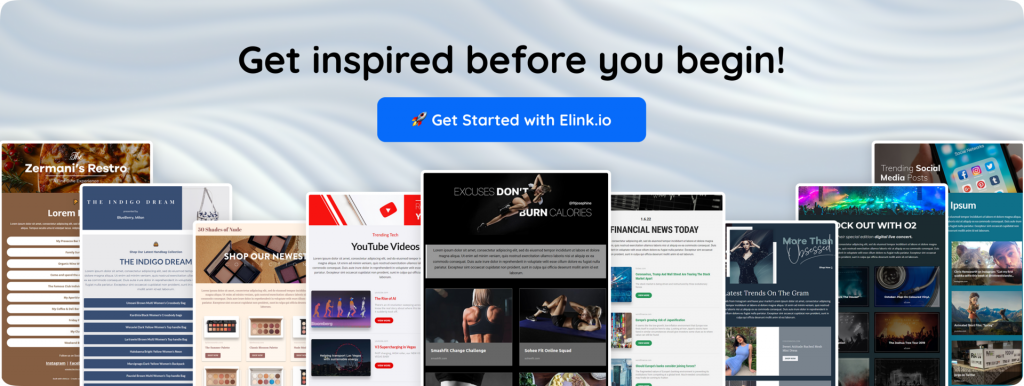
These benefits become much easier to understand when you see how everything comes together in a real-world example. Let’s look at what an organized travel creator page can actually look like from a visitor’s perspective.
A Real Example Of What A Great Travel Creator Hub Looks Like
Imagine you have spent a week exploring Italy. Instead of publishing one Reel and a few Instagram posts, you create one travel resource page called Italy Summer Guide.
This Italy Summer Guide is very helpful. A traveler planning the same trip lands on that page. They immediately find your Rome itinerary, Florence hotel recommendations, Venice restaurant guide, train pass information, packing checklist, budget planner and newsletter. All without having to search through months of social posts.
This is what separates memorable travel creators from creators people simply scroll past. Great photography captures attention, but a well-organized travel resource library gives people a reason to return whenever they start planning their next adventure.
Creating a page like this doesn’t require years of travel or hundreds of destinations. It starts with organizing what you already have and improving it a little at a time.
Final Tips For Building A Travel Brand People Return To
Growing a travel brand is not about publishing more posts every week. It is about making your best travel recommendations easier to discover months after they were first shared.
Start by reviewing the destinations you have already covered. Turn old Instagram posts, YouTube videos, blog articles, Google Maps lists, and saved Stories into one travel resource library that readers can browse whenever they begin planning.
Keep improving that library over time instead of constantly starting from scratch. Updating existing destination resource pages is often more valuable than creating another short-lived post.
Conclusion
The best travel creators do more than inspire people. They help people plan.
If someone can quickly find your itineraries, hotel recommendations, packing lists, and travel tips in one place, they are far more likely to trust your advice, return for future trips, and share your resources with others.
You probably already have enough travel content to build your first destination resource page today. The next step is simply organizing it into something people can actually use. So, start with one destination, keep it updated over time, and gradually build a travel library your audience will return to again and again.
Frequently Asked Questions
What should a travel influencer include in a travel resource page?
Include destination guides, itineraries, hotel recommendations, restaurant lists, packing checklists, maps, travel gear and newsletter signup options. Organizing these resources together makes trip planning much easier for readers.
How many destination resource pages should I create?
Start with your most popular destination. Once that page is complete, create additional pages for destinations that consistently receive questions, saves, or website traffic.
Can I organize old Instagram posts into one page?
Yes. Existing Instagram posts, blog articles, YouTube videos, Pinterest pins, and travel guides can all be grouped into one travel resource library instead of leaving them scattered across different platforms.
Should every destination have its own resource page?
If you have enough useful recommendations for a location, creating a dedicated destination resource page usually provides a better experience than combining multiple destinations into one long page.
How many links should a travel resource page include?
There is no number. Include links that help someone plan a trip. Group similar resources into categories so visitors can quickly find what they need without feeling overwhelmed.
How is elink.io different from a basic bio link tool?
Unlike a simple list of links, elink.io helps creators build visual travel resource pages with organized content, making it easier for readers to browse destination guides, travel recommendations, newsletters, and other planning resources from one place.
Can a travel resource page help generate income?
Yes. A organized page can support affiliate marketing, digital travel guides, newsletter growth and brand collaborations by making it easier for readers to discover and act on your recommendations.
Editor’s Note: This guide was put together after looking at how travel creators actually lose followers, not through bad content but through good content that simply becomes impossible to find again. If you are building a travel brand in 2026, treat organization seriously as you treat photography because both shape whether someone trusts you enough to book their next trip based on your word.
Keep reading & learning:
- Email Deliverability: 10 Proven Strategies to Boost Your Inbox Rates
- Email Click-Through Rate: 15 Proven Tips to Improve It
- How to Get Many Followers on Instagram: Proven Growth Tactics
- 20+ Smart Ways to Boost Your Newsletter Signups Instantly