Many online businesses don’t fail because the idea is weak; they stumble right at the start. Launches happen too quickly, and marketing feels all over the place.
Specifically, no one clearly answers the most important question that can come to the buyer’s mind: why should this matter to me?
When beginning an online business today, it is not enough to simply have an online presence. You must first understand what people already want, then shape your offer around that demand, and finally launch it in a way that makes it feel credible and easy to understand.
But in reality, launch and marketing are treated as two separate tasks, and because of this, the results feel unpredictable. However, when marketing and launching are combined into one process, growth becomes far more realistic.
This is where many new business owners get stuck, not due to lack of effort, but due to lack of direction. What comes first? The website? The audience? The promotion? Without a clear structure, it’s easy to waste time doing the “right” things in the wrong order.
This guide is designed to fix that. It breaks down how to launch your online business with intention and market it in a way that actually connects with real people. No hype, no shortcuts, just a clear path from idea to paying customers.
Now, let’s dive into the key steps that will take your online business from just an idea to success.
9 Key Steps to Launch and Market Your Online Business
To make things simple and actionable for you, we’ve outlined the essential steps that will guide you from planning to launch, and help you market your business in a way that truly resonates with your audience.
Let’s begin with the foundation every successful online business is built on.
1. Start With the Right Business Foundation
Before you start building pages or running ads, pause for a moment. If the basics of your business aren’t clear, everything you build on top of it will feel shaky later.
Many online businesses don’t struggle because the tools are wrong, but because the groundwork was never properly thought through.
Getting the foundation right simply means being clear on a few essentials before you move ahead.
At its heart, a strong foundation means understanding three key things:
👉 What you’re offering
Always offer a product or a service that gives the solution to a real problem that your audience cares about.
Instead of guessing what might work, look at what people are already searching for or buying. When your offer connects with an existing need, you instantly make your business relevant, useful, and exciting to your audience.
👉 Who are you serving
Successful businesses aren’t for “everyone.” They are built for specific people with specific needs, goals, and frustrations.
When you define exactly who your ideal customer is, you can speak their language naturally, show real understanding, and tailor your marketing strategy in a way that feels personal and meaningful.
👉 Why your business matters
Most people fail in their online business because they don’t clearly communicate what their company is about to potential customers, so why would anyone want to work with you?
The consumer needs a reason to trust your service or product, and the only way you will gain that trust is if you have provided an answer to basic questions like, why should they trust you? What makes your approach different or better?
When you answer this clearly, you stop sounding like everyone else and start building a brand people want to follow.
A strong business foundation brings clarity, and clarity makes everything that comes next easier. It gives you the confidence to design your website, create content, and launch campaigns that don’t just exist online but connect with real people in a real way.
Plus, when your foundation is solid, your launch and marketing start to feel less like guesswork and more like purposeful planning. You’ll know:
✔ What problems you’re solving
✔ Who are you solving them for
✔ How to communicate that in a way your audience genuinely responds to
And that clarity is what separates businesses that almost work from ones that truly grow.
📌 Before you market anything, know who you’re marketing to. Learn how to find your target audience.
2. Define Your Offer So It’s Easy to Say ‘Yes.’
Once your foundation is clear, the next step is shaping your offer. This is where many businesses lose people, not because the offer is bad, but because it’s confusing or asks for too much commitment too soon.
A good offer doesn’t make someone stop and think. It makes them nod and say, “Yes, that makes sense.”
Start by being very clear about what you’re actually selling. Is it a product, a service, a subscription, or a one-time solution? Avoid piling on too many features or options in the beginning. The simpler and more focused your offer is, the easier it is for someone to understand its value.
Next, connect your offer directly to a specific problem. Instead of describing what your product does, explain what it helps with. People don’t buy tools, they buy outcomes.
When they can quickly see how your offer fits into their life or work, the decision to buy/use feels lighter and more natural.
Pricing plays a role here, too. An “easy yes” offer on your product doesn’t feel risky or unclear. Be upfront about what’s included, what the result looks like, and what someone gets after they purchase. When expectations are clear, trust builds faster.
Most importantly, think about the moment your audience is in. Are they just getting started and looking for guidance, or are they ready to take action right away? When your offer meets them where they are, not where you want them to be, it feels helpful instead of pushy.
A well-defined offer does one simple thing: it removes doubt. And when doubt disappears, saying yes becomes much easier.
3. Build Only What You Need to Launch
The biggest mistake that new entrepreneurs make is trying to build everything at once. It’s tempting to think that you need a full website, dozens of pages, auto-responders, and perfect branding before you even start. However, that isn’t the case, and it usually makes the process take longer.
The goal at this stage isn’t perfection. It’s clarity and momentum.
Focus on creating just enough for your audience to understand what you offer and take action.
This is your minimum viable launch: a simple version of your business that works and lets you start learning from real customers, like how people respond: what they like, what confuses them, and what makes them take action, so you can improve your business step by step.
Here’s what that often looks like:
✔ A clear landing page
You do not need a giant website with twenty sections; just one page that explains what you’re offering, who it’s for, and why it matters is enough. Keep the message simple. Use headlines and short sentences so people don’t have to guess what you do.
✔ A way to accept payments (if needed)
You can add a simple checkout button or a payment link on your website. You don’t need a complex store or dozens of payment options to begin with. One clear purchase path is enough to test your offer in the real world.
✔ A simple follow-up plan
You don’t need ten automated emails before you launch. One or two meaningful messages, like a welcome note and a next-steps email, go a long way.
Everything else can come later.
Once you have a live version, you’ll start seeing patterns in which pages get clicks, what questions people ask, and what stops them from converting. That insight is worth far more than a pretty website that no one interacts with.
Build what you need to start. Then improve based on what real people tell you.
Know this: How To Use Marketing Channels & Grow Your Business Online?
4. Create a Pre-Launch Buzz (Before You Sell Anything)
Before you sell anything, people need to know you exist, and they need to feel comfortable with what you’re building. That doesn’t happen overnight, and it doesn’t require a big launch either.
This phase is simply about showing up before asking for attention or money.
Start by talking about the problem you’re working on. Share what made you notice it in the first place, what you’ve seen others struggle with, or what you’re trying to fix differently. You’re not pitching yet. You’re just putting the idea out there and seeing how people react.
Pay attention to what comes back. The questions people ask, the doubts they raise, or the parts they agree with most, these responses tell you far more than any analytics tool.
They also help you refine how you talk about your business in a way that feels natural, not rehearsed.
If it makes sense, also give people a simple way to stay in the loop. An email list, a short form, or even a message that says “I’ll share updates soon” is enough. The point isn’t to collect numbers, but to keep the conversation open with your target audience.
So that by the time you’re ready to launch, your business won’t feel new to the people who’ve been watching, it’ll feel familiar.
And familiarity makes the next step easier for everyone.
Check This: How to Advertise on Social Media: Complete Step-by-Step Guide
5. Launch With a Clear Message, Not Noise
A launch doesn’t need to be loud to work. It needs to be clear.
Most people don’t ignore launches because they aren’t interested; they ignore them because they don’t understand what’s being offered, who it’s for, or why it matters to them. When too many messages compete for attention, the real value gets lost.
This is the moment to slow things down, not speed them up.
Your launch message should do a simple job. It should tell people what you’ve built, who it’s meant for, and how it helps. Nothing more than that. If someone has to decode the message or read between the lines, they’ll move on.
Choose one problem to lead with. Talk about it in plain language. Show how your product or service fits into that situation. Save the long list of features and extras for later clarity; it always comes before detail.
It also helps to sound like yourself. Write the way you would explain this to a real person, not the way a “perfect launch” is supposed to sound. When the tone feels honest, people are more open to listening.
You don’t need to say everything everywhere. Pick a few places where your audience already pays attention and repeat the same clear message there.
When people understand what you’re offering and why it exists, the decision becomes easier. They don’t need to be pushed. They just need to know.
And that’s what makes a launch work.
6. Market Consistently After the Launch
A launch gives you attention. Consistency is what turns that attention into trust.
Once the launch phase passes, it’s tempting to step back and wait for results. That’s when many businesses quietly lose momentum, not because the product isn’t good, but because people need more time than we expect.
Most buyers don’t act the first time they hear about something. They notice it. Then they move on. Then they see it again weeks later and finally pay attention. Consistent marketing is what keeps your business present through those small, in-between moments.
This doesn’t mean doing more. It means doing what you can repeat without burning out.
Choose one or two channels where you already feel comfortable showing up. Maybe it’s an email. Maybe it’s social media. Maybe it’s long-form content. Wherever it is, show up there regularly enough that your audience doesn’t have to rediscover you each time.
You’ll also find yourself talking about the same ideas again and again, and that’s normal.
The problem your business solves doesn’t change, but the way people understand it does. Repeating your message in slightly different ways helps it land with different people at different times.
There will be days when a post gets replies or a newsletter gets opened more than usual. However, there will be other times when your content seems to be receiving little to no attention.
This is completely common and is not necessarily indicative of a lack of interest on the part of the reader.
That’s why consistency matters more than intensity. You’re not trying to persuade someone every time you show up. You’re reminding them that you’re still here, doing the same work, solving the same problem.
Over time, that steady presence adds up. Your business starts to feel familiar, and familiar things feel safer to trust. When someone finally decides to take action, it won’t feel sudden to them; it will feel like the natural next step.

7. Turn Traffic Into Paying Customers
By the time people reach your website, they’re already curious. Something caught their attention enough to make them click. What happens next depends on how easy it is for them to understand what you’re offering.
Most visitors aren’t ready to buy right away. They’re looking around, trying to decide if this is for them or not. That’s normal. If the page feels confusing or asks for too much too soon, many will leave without a second thought.
So start by making things clear. Let people know, in simple words, what you do and who it’s meant for. If they can’t figure that out within a few seconds, they won’t stay long enough to explore further.
Once people understand what you offer, don’t overwhelm them with choices. Just tell them what they can do next. Sign up. Get in touch. Buy. One option is enough. When there are too many buttons or paths, people usually do nothing and leave.
Pay attention to the small things on your page. If prices are hard to find, if explanations feel vague, or if something sounds too good to be true, people hesitate. Clear pricing, plain explanations, and real examples make it easier for someone to trust what they’re seeing.
As more people visit your site, patterns start to show up. You’ll notice where they pause, where they stop reading, or where they drop off completely. That doesn’t mean something is wrong. It usually means something isn’t clear yet.
The goal isn’t to convince anyone. It’s to make the process simple and comfortable. When people don’t feel confused or pressured, they’re more open to moving forward.
At that point, paying doesn’t feel like a risk. It feels like a reasonable decision.
Pro Tip: Use some engaging CTAs to grab reader’s attention- Try using these CTAs
8. Track What Makes Money (And Ignore Vanity Metrics)
Once your business is running, it’s easy to get distracted by numbers that look impressive but don’t actually matter. Likes, shares, and page views feel good, but in the end, they don’t pay your bills. What really matters is the actions that lead your business to generate revenue.
Focus on the numbers that show real results:
- Sales and revenue – How much money are you actually making? Track each offer or product separately so you know what works.
- Conversions – How many people are taking the next step you want, like signing up or making a purchase?
- Leads that turn into paying customers – Not just people on your email list, but people who actually buy.
Ignore metrics that don’t connect to your bottom line. High website traffic or social media followers are nice, but they don’t automatically create sales. Instead, watch what drives real action.
Also, there is no need to stress over every little detail. One slow day doesn’t mean your business is failing. One post that goes viral doesn’t mean you’ve figured everything out. Look at the bigger picture and spot the trends that actually matter over time.
Tracking the right numbers helps you:
- Focus on what’s actually making money
- Stop wasting time on things that don’t matter
- Make better decisions for your next launch or campaign
At the end of the day, success isn’t about clicks or followers. It’s about knowing what works, doing more of it, and cutting out the noise.
Learn Here: How to Create High-Converting Lead Magnets That Drives Results
9. Scale What’s Already Working
Once you know what’s bringing in sales and attention, don’t start chasing new ideas just yet. Focus on what’s already working and find ways to do more of it. Scaling isn’t about reinventing the wheel; it’s about making the things that work even better.
Start small and simple:
- Double down on your best-performing products or services – If something is selling well, put more energy into promoting it.
- Invest in the channels that bring results – Don’t spread yourself thin chasing every social platform. Stick with the ones that already deliver traffic and conversions.
- Streamline your process – Make it easier for people to buy or sign up. Remove any friction that slows them down.
Pay attention to patterns, not one-off spikes. Just because something worked once doesn’t mean it will always work. Analyze the content that consistently delivers results and focus your effort there.
The key is to expand gradually, while keeping the quality and clarity that made your offer successful in the first place. When you scale what works, growth becomes steady, sustainable, and genuinely rewarding.
Before You Go: Simplify Your Marketing Work With elink.io
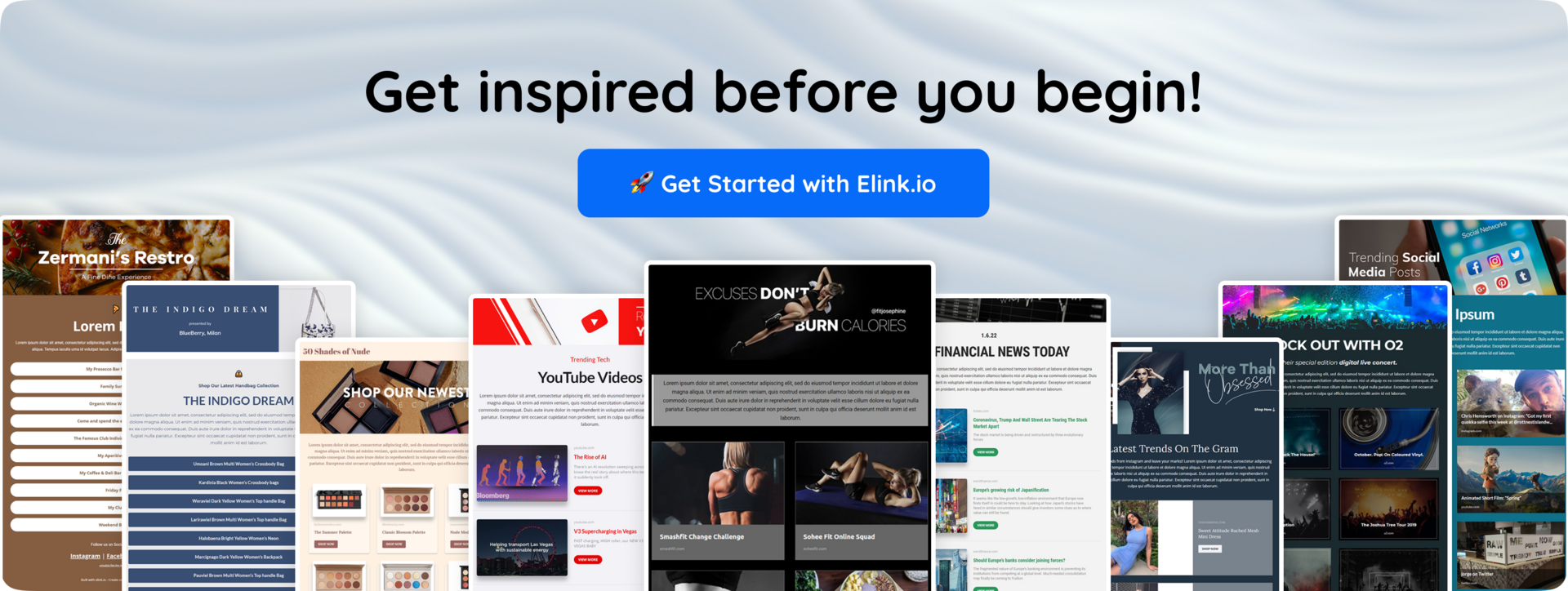
Building and marketing an online business can feel like a lot: websites, newsletters, updates, links everywhere. That’s where tools like elink.io come in handy. Elink.io is the smartest content curation tool that helps you design web pages, newsletters, or curated content without needing to be a tech expert.
Here’s what you can do with elink.io:
- Create Web Pages – Build clean, responsive pages you can host on elink or embed on your own website.
- Design Awesome Email Newsletters – Turn links into professional-looking newsletters that work with any email service.
- Social Media Bio Links – Create visual link pages for Instagram, Twitter, Facebook, and more.
- Website Widgets – Add RSS feeds or curated content directly to your site automatically.
- Bookmark Manager – Save links and resources visually with folders, tags, and filters.
- RSS Feed Reader – Follow multiple feeds, discover content, and bundle it into newsletters or web pages.
- Content Automation – Automatically generate newsletters or website content from your chosen sources.
- Collaboration – Invite your team to research, create, and share content together seamlessly.
With elink.io, you can save time, stay organized, and focus on sharing your ideas without worrying about technical setups.
Final Thoughts: Build a Business that Lasts
Successful businesses are not built overnight. Running a business is not about chasing trends or trying to do everything at once. It’s about getting the basics right, figuring out what works, and sticking with it.
Pay attention to what works, learn from what doesn’t, and don’t get distracted by numbers or noise that don’t affect your bottom line. Growth comes from doing the right things consistently, not from flashy tactics.
Take it step by step, keep things simple, and improve as you go. A business built this way isn’t just a short-term success; it’s something that can last.
Comment down if you’ve tried any of these steps in your business, or if you have tips to add, we’d love to hear from you.
FAQs
Q: How to launch a successful online business?
A successful business launch is achieved by having a good idea and knowing your audience, as well as clearly defining your offers. You should also have a simple, clear launch setup that focuses on your business and brings it to market quickly.
Q: What type of online business is most profitable?
The most successful businesses are those that solve a real problem and have recurring revenue, like subscription services, digital products, or online courses.
Q: What is the best online business for beginners?
Start small. Freelancing, content creation, selling digital products, or affiliate marketing are beginner-friendly and low-risk ways to get started.
Q: What are the best tools to promote an online business?
You can utilize email platforms, social media, simple website builders, and content curation tools like newsletters or blogs to promote your business online.
Keep Reading & Learning 📚
Target Market Analysis: What is it & How to Identify?
15 Instagram Best Practices to Maximize Your Engagement!
26 Ways to Grow Your Income Using Curated Content
How to Use Customer Segmentation to Personalize Content with elink.io
What Is Marketing Ethics? Definition, Importance & Proven Principles