There are a lot of influencers and brands working together today; however, not everyone fully understands what it actually means or how it works.
In simple terms, influencer collaboration is when a brand partners with a content creator to promote a product or service to their audience. Sounds like quite an easy task, right? But just because a brand collaborates with an influencer doesn’t mean it will automatically get engagement, traffic, or sales.
In fact, many influencer marketing campaigns fail to deliver real results.
So, what makes the difference between a collaboration that looks good and one that actually drives engagement, builds trust, and brings conversions?
In this guide, we’ll break it down what influencer collaboration really is and most importantly, what actually drives results in influencer marketing today. Let’s get started with the basics now!
What is Influencer Collaboration?
Influencer collaboration is a marketing strategy where a brand work together in a partnership with an influencer (a content creator with an engaged audience) to promote its products or services, so that the active audience of that creator becomes the brand’s potential customers.
Well, unlike those traditional ads, brands use influencer collaborations to reach people through content they already trust like Instagram posts, Reels, YouTube videos, or even simple story mentions.
Basically, influencer marketing is all about building connections. The influencer introduces your brand to their audience, and if the content feels genuine, it can lead to higher engagement, better brand awareness, and even conversions.
These collaborations with brands can take different forms, such as:
- Sponsored posts or videos
- Product reviews
- Giveaways and contests
- Affiliate partnerships
- Long-term brand ambassador deals
Now that you understand what influencer collaboration is, let’s move forward and learn how to actually collaborate with influencers the right way.
Read this: Influencer Marketing Strategy: How to Build One That Actually Works
How to Collaborate with Influencers
Collaborating with influencers works best when you follow a clear and simple approach. Here’s how to collaborate with influencers in the right way:
1. Find the Right Influencers
Looking solely at the follower count is not enough when selecting an influencer to work with. Choose related influencers whose followers are similar to your target customer and whose content relates to your brand.
2. Set Clear Goals
What do you hope to achieve through the collaboration? (i.e., brand recognition, build up interaction with audience, boost profits), etc. Defining clear objectives will help you form the foundation of your overall marketing strategy.
3. Personalize Your Outreach
Do not mass-mail a big list of influencers to try and find someone to work with! Rather, go for sending a personal message to an individual influencer and clearly explain why you would like to collaborate with them.
Read more: Influencer Outreach Email: How to Write One (+ Templates)
4. Give Creative Freedom to the Creator
Allow your influencers to create content similar to what they already do on a daily basis. The audience is used to their style of creating content, so when you collaborate with them, it will not feel like a forced partnership. Because at the end of the day, authentic content always performs better than forced promotions.
5. Choose the Right Collaboration Type
Select a form of collaboration based on what you would like to achieve or your what your goals are. Collaboration has many forms, including:
- Sponsored posts
- Product reviews
- Giveaways
- Affiliate partnerships
- Long-term collaborations
6. Track Your Results
Measure performance using engagement, clicks, and conversions to see what’s working.
Well, after reading this, it’s easy to assume that every collaboration campaign with influencers will bring great results.
But that’s not always the case. In reality, many influencer collaborations look good on the surface, but fail to drive real engagement, clicks, or conversions. So, before we move forward, let’s understand where things usually go wrong.
Read more: Virtual Influencers vs. Human Influencers: A Comparison of Impact and Genuine Engagement
Why Most Influencer Collaborations Fail to Deliver Real Results
Here are the most common reasons why influencer collaborations fail:
- Choosing influencers based only on follower count instead of audience relevance
- Creating content that feels too promotional or forced
- Starting campaigns without a clear goal or strategy
- Not including a strong and clear call-to-action (CTA)
- Sharing multiple links without a clear direction for the audience
- Expecting results from one-time collaborations instead of building long-term partnerships
- Not tracking performance, so there’s no clarity on what’s working
In simple words,most influencer collaborations fail due to poor planning and execution, not because the strategy itself doesn’t work.
Now that we’ve seen why many influencer collaborations fail, the next step is to flip the perspective.
What separates the collaboration campaigns that actually work from the ones that don’t? Let’s look at the key factors that truly drive results in influencer collaboration.

What Actually Drives Results in Influencer Collaboration
Let’s look at what actually drives real engagement, trust, and conversions in influencer collaboration.
1. Audience Alignment Over Follower Count
It is very common misconception among marketers that a higher follower count means better results through collaboration. But, this is not always true.
When collaborating with influencers, the priority is finding one that has an audience that matches your products/services. Influencers may have many followers, but if they don’t match to the market to the same audience you do, your chances for engagement and/or conversions are diminished. But on the other hand, an influencer with a lower follower count, who matches your brand niche, can bring you more conversions.
For example, a beauty influencer with 20,000 followers who regularly posts skincare content can drive better results for a skincare brand than a general lifestyle influencer with 200,000 followers.
A large audience without interest in the product will not take action. A smaller but relevant audience is more likely to engage, trust the recommendation, and convert.
reaching the right audience matters more than reaching a large audience.
2. Authentic Content That Feels Natural
Many brands focus only on promotion and forget how the content actually feels to the audience. This often leads to content that looks forced or too sales-driven. So, the collaboration should be focused on creating authentic content.
Let the influencer present your product in their own usual style. Just like the way they normally talk in their videos, and connect with their audience. When the content matches the original tone and format of the creator, it feels more genuine to their audience. And when it feels genuine, people are far more likely to trust it.
For example, a product shown as part of an influencer’s daily routine or real-life experience always feels more believable than something that looks like a scripted ad.
So, content that looks like a direct ad often gets ignored, whereas the content that feels real gets attention, engagement, and better results.
3. Clear Campaign Goals
Many influencer collaborations fail because there is no clear goal behind the campaign. Posting content without a defined purpose often leads to poor results.
So, a brand must decide what it wants to achieve before starting the collaboration. Whether it is brand awareness, engagement, website traffic, or sales. Each goal requires a different content approach.
For example, a campaign focused on brand awareness may need reach and visibility, while a campaign focused on conversions needs a strong call-to-action and product-focused content.
Without a clear goal, it becomes difficult to measure success or guide the influencer properly.
4. Platform-Specific Strategy
Many brands create one piece of content and post it on every platform without making any changes. Well, this is completely wrong and often leads to low engagement.
The key factor to note for better influencer collaboration is a platform-specific strategy. Each platform has a different content format and user behavior. Instagram focuses on short, visually engaging content like Reels. YouTube performs better with longer, detailed videos. LinkedIn works best with professional and insight-driven posts.
An influencer collaboration should match the style of the platform where the content is being published. A short Reel, a detailed YouTube review, and a LinkedIn post should not look the same.
In simple terms, content should be created according to the platform, not reused without making any required changes.
5. Strong Call-to-Action (CTA)
Many influencer collaborations create good content but still fail to drive results. One common reason is the absence of a clear next step for the audience. That’s why every campaign or collaboration should include a call to action (CTA).
A CTA clearly tells the audience what action to take after seeing the content, such as visiting a website, using a discount code, signing up, or making a purchase.
For example, a simple line like “Use code SAVE10 to get 10% off” or “Click the link in bio to explore the product” gives direction and purpose to the content.
Without a clear CTA, the audience may engage with the content but not take any action.
6. Consistency & Long-Term Partnerships
Many brands expect results from a single influencer post. But this approach rarely works for brand collaborations. So, always try to build long-term partnerships with your picked influencer for your brand.
When an influencer repeatedly discuss a brand, it causes viewers to be more familiar with it over time. Being repeatedly exposed to the same brand establishes trust among consumers while creating a more authentic endorsement.
For example, one post may create awareness, but multiple mentions, such as posts, stories, or videos, help the audience understand and remember the brand. Because a one-time collaboration often feels like a promotion, but a long-term partnership feels like a real recommendation for the audience.
Consistent visibility builds trust, and trust leads to better results.
How to Manage All Your Campaign Links in One Place (Using elink.io)
When you’re running influencer campaigns, one of the biggest challenges is managing multiple links to product pages, landing pages, discount links, blog posts, and more. Sharing all of them separately can confuse your audience and reduce clicks.
This is where elink.io makes things much easier.
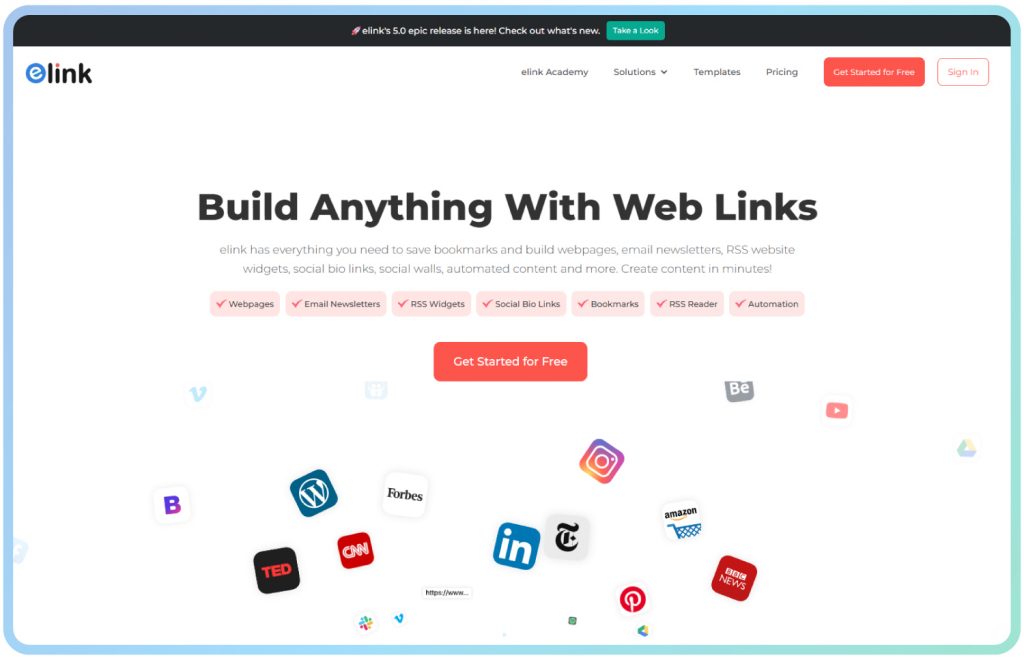
Elink.io is a content curation tool. Instead of sharing multiple links, elink.io lets you bundle all your important links into one single, clean page that you can share anywhere, such as in your Instagram bio link, email newsletters, or campaign-related web pages.
Here’s how elink.io can help you in collaborations in a simple way:
✔️ Create a smart “link in bio” page: One link in bio that opens a full page with all your campaign content (products, offers, videos, etc.)
✔️ A mini landing page for your campaign: Add multiple product links, write a short intro, and guide users like a proper page not just random links
✔️ Create a curated content page: This curated content page is your source for many blogs, product reviews and how-to videos all in a single handy spot. It will remove confusion from scattered content placed in different folders and links.
✔️ A newsletter-style page: Share campaign updates or product collections in a clean, scrollable format in newsletters directly in inboxes.
✔️ Even embeddable content for websites: You can place the same link collection directly on your site and keep updating it anytime.
In simple words, instead of sending your audience to multiple places, elink.io helps you bring everything together in one smart link, making it easier for people to click, explore, and take action.
Conclusion
Influencer collaboration works best when there is a clear strategy behind every step of the collab. Elements such as knowing who your target audience is, developing genuine content, setting clear expectations of what you want to achieve, and being consistent with these aspects will help ensure that your influencer collaboration is effective.
Instead of focusing only on reach or follower count, focus on relevance, trust, and long-term value. That is what turns a simple collaboration into real results.
Thanks for reading! 😊
FAQs
What makes an influencer collaboration successful?
A successful influencer collaboration is produced through having the right audience, authentic content, clear goals, and an effective call-to-action. It is more about having a solid strategy than about having a number of followers.
How long does it take to see results from influencer collaboration?
Results can vary considerably from one influencer collaboration to another. Some collaborations show results (i.e., engagement) within a short time, whereas true engagement (trust and conversions) typically takes time to develop (i.e., through consistent multiple collaborations).
What are the main benefits of influencer collaboration for brands?
Influencer collaboration helps increase brand awareness, build trust, improve engagement, and drive conversions through relatable content.
Can small brands achieve results through influencer collaboration?
Yes. Small brands can achieve strong results by working with niche influencers who have a relevant and engaged audience.
Keep reading & learning 🚀
- Micro Influencers Guide: Attract Customers & Scale Your Business
- Social Media Advertising: How to Run Ads That Actually Work
- How to Launch and Market a Profitable Online Business
- Top 100 Micro Instagram Influencers to Follow