Starting a blog might seem simple at first. After all, the internet is full of blogging platforms and quick tutorials promising that you can launch a blog in minutes. But starting a blog that actually attracts readers and helps your ideas reach the right people requires a little more thought. From choosing the right topic to sharing your content in a smart way, every step plays an important role in building a blog that people want to read.
So, in this guide, we will walk through the key steps to help you start a blog the right way and make sure your content reaches the audience it deserves. From choosing a blog topic to promoting your posts effectively, you’ll learn practical strategies that can help you turn your blog into a platform that truly makes an impact. Let’s begin with the fundamentals.
What is a Blog?
A blog is a website where people regularly share content in the form of articles, ideas, stories, or guides. These posts are usually written around a specific topic such as technology, travel, finance, lifestyle, or marketing. Some blogs focus on teaching readers something useful, while others share personal experiences, opinions, or industry insights.
A blog is different from a regular website because it is updated regularly with new content. Instead of being a static website with fixed pages, a blog keeps growing as new posts are published. The latest articles usually appear at the top, making it easy for readers to see fresh content and stay updated with new information.
Today, blogs have become much more than online journals. They are powerful platforms where creators, businesses, and professionals share knowledge, build trust with their audience, and grow their online presence. Many successful bloggers even turn their blogs into full-time businesses through advertising, partnerships, and digital products.
Now that you have a clear understanding of what a blog is, the next step is learning how to start a blog. Let’s walk through the process of creating a blog step by step.
Read More: Top 10 Blog Sites to Start a Blog Now! (Free & Paid Options)
How to Start a Blog (Step-by-Step Guide)
Launching a blog is very simple when you stick to a well-defined process. Instead of trying to figure out everything at once, breaking the blogging journey into simple steps helps you move forward with confidence. From deciding what your blog will focus on to publishing and sharing your content, each step helps you build a blog that people actually want to read.
Let’s start with one of the most important decisions you’ll make as a blogger.
Step 1: Choose Your Blog Niche
The first and most important step in starting a blog is choosing its main topic. This is called your blog niche. In simple words, a niche is the main topic your blog will focus on. It helps readers quickly understand what kind of content they’ll find on your blog.
Many beginners make the mistake of writing about too many unrelated topics. While it may seem exciting at first, it can confuse readers. When your blog focuses on a clear subject, it becomes easier for people to trust your content and return for more.
A good way to choose your niche is to start with something you genuinely enjoy or are curious about. Blogging becomes much easier when you are writing about topics you like to explore. For example, you might enjoy writing about technology, travel experiences, personal finance tips, health, lifestyle, or digital marketing.
At the same time, it helps to think about what readers are searching for online. Ask yourself simple questions like: What problems can I help people solve? What useful information can I share? When your blog answers real questions or provides helpful insights, readers are more likely to find value in your content.
Bonus Resource: Curate Beautiful Travel Blogs & Guides In Minutes With Elink
Step 2: Select a Blogging Platform
Now that you’ve chosen your blog niche, the next step is deciding where you will actually create and manage your blog. This is where a blogging platform comes in. A blogging platform is simply the tool that allows you to write posts, publish articles, manage your pages, and design your blog without needing technical skills.
For beginners, this step can feel a little confusing because there are many platforms available. But the good news is that most modern platforms are designed to be user-friendly. The key is to choose one that feels easy to use and can support your blog as it grows.
Here are some of the most popular blogging platforms beginners usually start with:
WordPress – Across the world, WordPress stands out as a leading platform for creating blogs. It offers strong customization, thousands of themes, and useful plugins. If you want full control over your blog and plan to grow it long term, this is often the best choice.
Blogger – A simple and free platform owned by Google. It’s easy to set up and a good option for beginners who want to start blogging quickly without dealing with too many technical settings.
Wix – A website builder known for its drag-and-drop editor. It allows you to design your blog visually, which makes it a comfortable option for people who want something very beginner-friendly.
Squarespace – A platform recognized for its elegant templates and sleek design. Many creators and small businesses prefer it because it combines blogging and website building in one place.
When choosing a blogging platform, it’s helpful to think about a few simple things:
• How easy is it to use?
• Can you customize your blog design later?
• Does it support SEO and future growth?
Taking a little time to pick the right platform will make your blogging journey much smoother.
Once you’ve selected your platform, the next step is giving your blog a unique identity by choosing a blog name and registering your domain.
Must Read: Top 7 Blog Name Generators to Get More Attention!
Step 3: Set Up Your Blog’s Domain and Hosting
Once you have selected your blogging platform, the next step is setting up your blog’s online identity. This mainly involves choosing a domain name and getting web hosting. These two things work together to make your blog accessible on the internet.
Your domain name is the address people type into their browser to visit your blog. For example, something like yourblogname.com. It’s basically the name of your website, so it should be simple, clear, and easy to remember.
When choosing a domain name, keep these tips in mind:
- Keep it simple and easy to spell so readers can remember it easily.
- Try to reflect your blog niche if possible. For example, a tech blog might include words like tech, digital, or AI.
- Avoid long or complicated names that are hard to type or remember.
- Choose a .com domain if it’s available, since it’s the most familiar and trusted extension.
After choosing your domain, the next thing you need is web hosting. Hosting is the service that stores your website’s data and makes your blog available online for readers to access anytime.
Several hosting providers offer beginner-friendly services, such as:
Most hosting providers allow you to buy a domain and hosting together, which makes the setup process much easier for beginners. Many of them also provide one-click installation for WordPress, so you can launch your blog quickly without technical complications.
Once your domain and hosting are set up, your blog officially has a home on the internet.

Step 4: Design Your Blog
Now that your domain and hosting are set up, it’s time to make your blog look attractive and easy to use. This step is all about designing your blog so visitors enjoy reading your content and can easily find what they’re looking for.

The blog’s design creates the first impression for your readers. When someone lands on your website, they quickly notice the layout, colors, and overall appearance. A clean and simple design makes your blog look more professional and encourages visitors to stay longer.
Most blogging platforms provide ready-made templates or themes that you can use to design your blog without any coding. For example, platforms like WordPress offer free and premium themes, ready to install with just a few clicks. These themes control the layout, typography, and overall style of your blog.
When designing your blog, try to focus on a few important elements:
- Choose a clean and simple theme so your content is easy to read.
- Use clear fonts and comfortable spacing to improve readability.
- Create a simple navigation menu so visitors can easily explore your blog.
- Add essential pages like About, Contact, and Blog.
- Make your blog accessible and easy to navigate on mobile devices, since many readers will visit from their phones.
Once your blog design is ready, the next exciting step is to start creating and publishing your first blog post.
However, creating a blog and publishing content is only one part of the journey. If people don’t discover your posts, even the best content can go unnoticed. That’s why learning how to promote and distribute your blog posts is just as important as writing them.
Let’s explore some practical ways to get your content in front of the right audience.
Worth Exploring: Best Tools for Blogging That Actually Make Content Creation Easier
How to Share Your Blog Content Effectively
Let’s start with one of the most powerful ways to get people to discover your blog.
1. Improve Your Blog’s Visibility with SEO
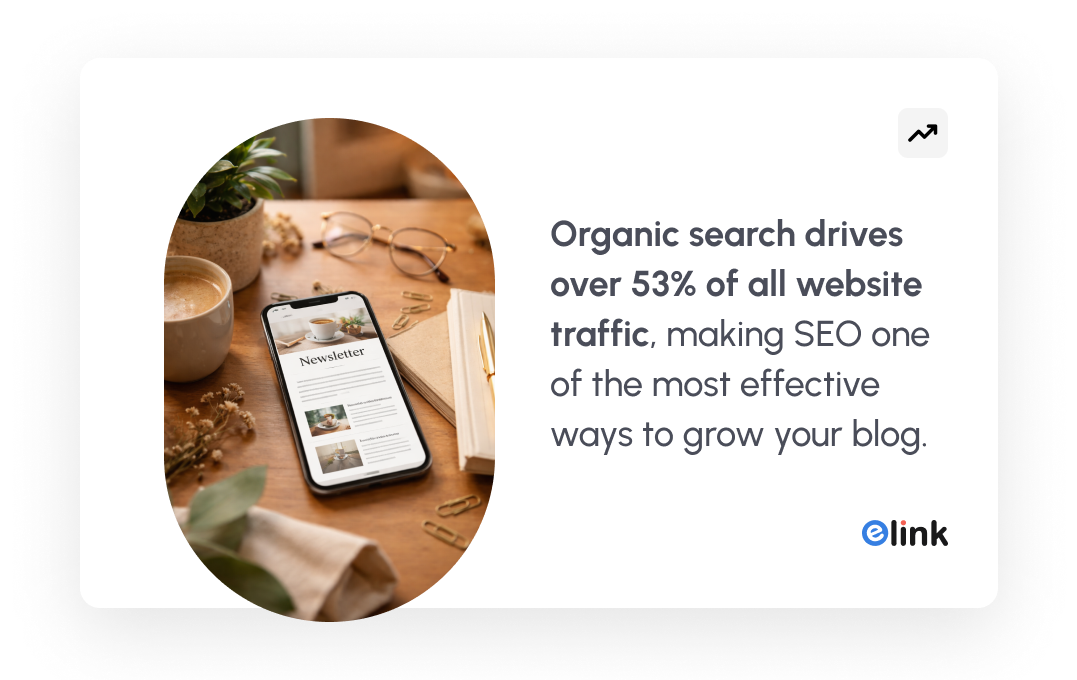
One of the most effective ways to bring readers to your blog is through search engines. When people look for information online, search engines aim to present the most useful and relevant content. That’s why SEO, or Search Engine Optimization, matters.
SEO simply means improving your blog so that it appears in search results when people look for topics related to your content. When your posts are optimized properly, they can attract readers consistently without needing constant promotion.
Here are a few simple SEO practices you can follow:
- Use relevant keywords in your blog title, headings, and throughout the article.
- Write clear and helpful content that answers the reader’s question.
- Add proper headings and subheadings to organize your post.
- Write a strong meta description so readers understand what your article is about.
- Use internal linking to help readers navigate related posts.
Over time, good SEO can bring steady traffic to your blog without needing constant promotion.
2. Promote Your Blog on Social Media
Social media is one of the easiest ways to share your blog content and reach new readers. When you publish a new post, sharing it on social platforms can quickly bring attention to your blog and help more people discover your work.
You can promote your blog on platforms such as Facebook, Instagram, X, and LinkedIn. Each one helps you reach unique audiences and share your content in engaging ways.
Here are a few simple ways to promote your blog on social media:
- Share your blog posts with a short caption that explains what readers will learn.
- Include appropriate hashtags to help a wider audience find your content.
- Turn key points from your blog into short posts, tips, or visuals.
- Share your posts consistently to stay active and visible.
Over time, social media can help you build a community around your blog and bring regular traffic to your content.
3. Use Email to Distribute Your Content
Email is another powerful way to share your blog content directly with your readers. Instead of waiting for people to find your posts, you can send new articles straight to their inbox. This allows you to maintain a strong connection with your audience and encourages them to return to your blog regularly.
Read this: How to Use Email Marketing for Effective Content Distribution
4. Repurpose Blog Content
Creating a blog post is an investment of time and effort, so it’s a smart idea to reuse that content in different formats. This process is called content repurposing. Instead of writing something completely new every time, you can turn one post into many other types of content and post them on various platforms.
For example, you can convert a blog article into short social media posts, quick tips, newsletters, or curated content collections. This not only saves time but also helps your content reach people who may prefer different formats.
One useful tool that can help with this process is elink.io. It allows you to turn blog posts or links into beautifully organized content collections that can be shared through newsletters, websites, or social media. With tools like this, you can easily repurpose your existing blog content and present it in a more engaging way.
By repurposing your content, you get more value from every blog post you create while expanding your reach across multiple channels.
Want to start writing blogs? Check these 60+ Blog Post Ideas for Different Niches to Grow Your Blog Faster
Let’s explore how elink.io helps you repurpose and distribute your blog content more efficiently.
Use elink.io to Curate and Repurpose Your Blog Content
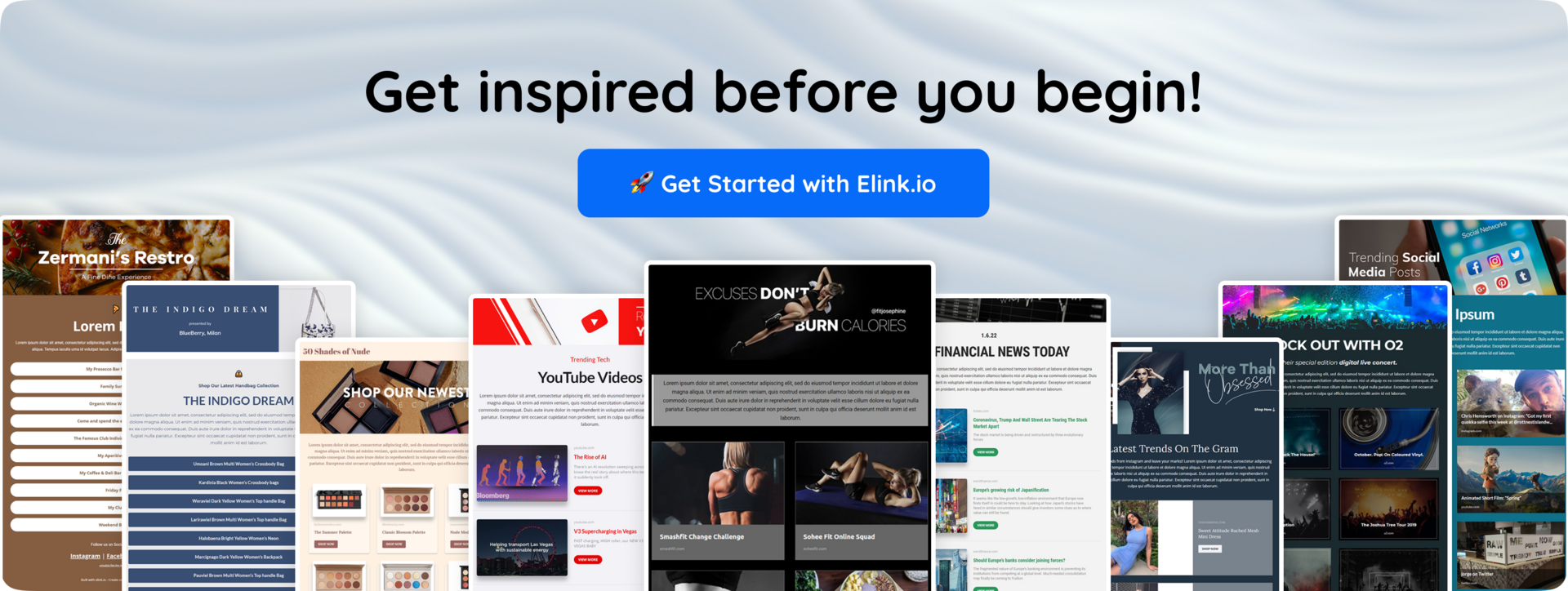
Elink.io is a smart content curation platform that allows you to collect links, organize them, and turn them into visually appealing content collections. Instead of simply sharing plain links, you can bundle multiple resources into a single webpage, newsletter, or social media link page.
This makes it especially useful for bloggers, marketers, and content creators who want to give their old content a new lifeand present it in a more engaging format.
Here are some useful features that make elink.io a helpful tool for bloggers and content creators:
✅ Content Curation: You can collect links from blog posts, articles, videos, and other online resources and bundle them into one organized collection. This allows you to create curated content pages or resource lists around a specific topic.
✅ Beautiful Layouts and Templates: The platform offers 50+ responsive layouts, making your curated content visually appealing without needing design skills.
✅ Email Newsletter Creation: You can quickly turn your curated content into HTML email newsletters and share them through platforms like Gmail or email marketing tools.
✅ Website Embedding: Elink collections can be embedded directly into your website or blog. When you update the content inside elink, the embedded version automatically updates as well.
✅ RSS Feed Integration & Automation: The tool allows you to follow RSS feeds from blogs, news sites, and YouTube channels, allowing you to automatically gather and share fresh content with your audience.
✅ Share Anywhere: Once your content collection is ready, you can share it as a webpage, embed it on your website, or distribute it through newsletters and social media.
So, using a tool like elink.io makes it much easier to repurpose your blog content, organize valuable resources, and distribute them across multiple channels without starting from scratch every time.
Conclusion
A successful blog is much more than just publishing a few posts. It involves choosing the right topic, setting up your blog properly, creating useful content, and sharing it in places where readers can actually find it.
When you combine consistent writing with smart promotion, through SEO, social media, email, and content repurposing, your blog has a much better chance of growing steadily over time.
Keep focusing on content that is helpful, clear, and valuable for your readers. With patience and consistency, your blog can gradually grow into a platform that attracts readers and creates meaningful opportunities. ✨
FAQs
Q.1 How does SEO improve blog visibility?
SEO makes it easier for your blog to show up in search results when users look for topics related to your content. When your posts are optimized with the right keywords and a clear structure, it is simpler for readers to discover your blog via search engines.
Q.2 What strategies help retain and engage blog readers?
Consistently publishing helpful content, writing in a clear and friendly tone, and organizing your posts well can keep readers interested. Sharing useful tips, responding to comments, and promoting your posts through email or social media also helps build a loyal audience.
Q.3 Is it better to create a niche blog or a general-interest blog?
In most cases, a niche blog works better because it focuses on a specific topic. This makes it easier to attract readers who are interested in that subject and helps you build authority in that area.
Q.4 Can Elink be used to share blog content across multiple platforms?
Yes, elink.io is a great tool for organizing and sharing your blog content in a variety of ways. You can take your blog links and create curated collections of blog links to share through email newsletters, websites, or social media channels.
Keep Reading & Learning 📚
- Top 17+ Women Blogs & Websites You Need to Follow!
- 23 Health Blogs and Websites To Keep You Fit!
- Top 15+ Marketing Blogs & Websites You Need To Bookmark!
- Top 16 Style Blogs & Websites You Just Can’t Ignore!